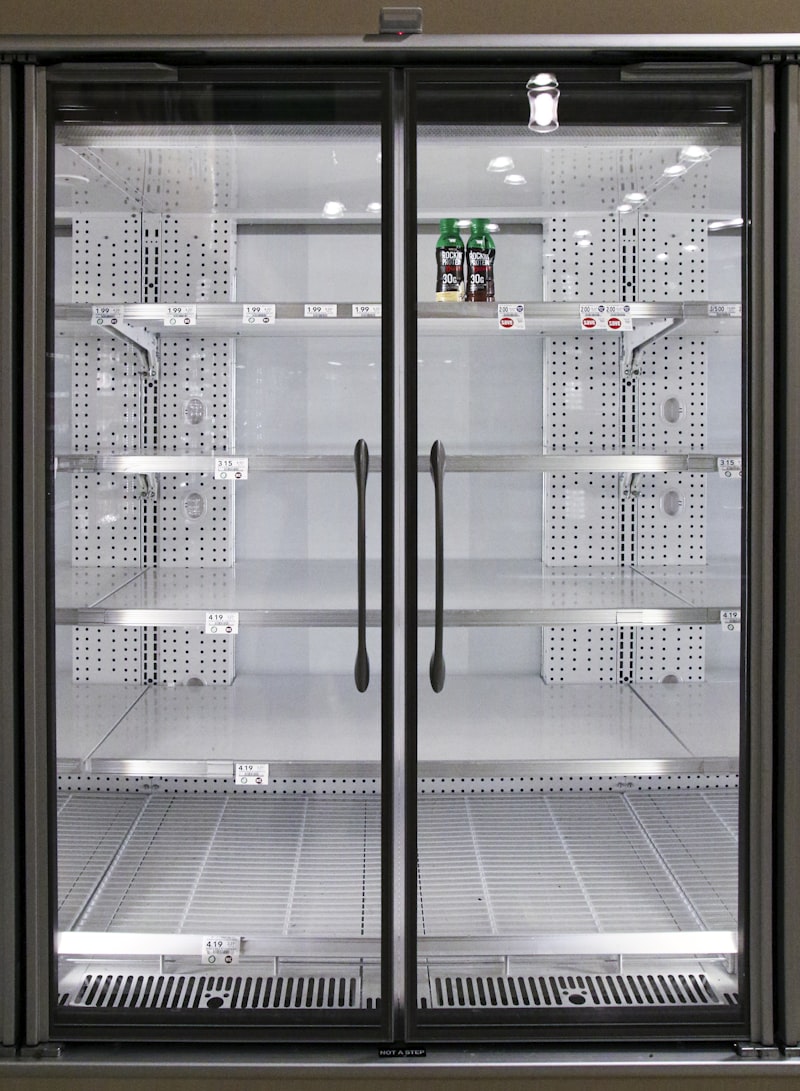
Compressor-driven appliances, including air conditioners and refrigerators, are particularly sensitive to voltage fluctuations because the compressor motor draws a large surge of current at startup and needs a stable supply to reach full speed without excess strain. In areas where grid voltage swings outside the manufacturer's specified range, either too high or too low, compressor windings can overheat or fail to start correctly, and repeated exposure to unstable voltage shortens motor life even if no single event causes an immediate failure.
Voltage stabilizers regulate incoming supply to a narrower, safer range before it reaches the appliance, using either relay-based tap switching or, in more advanced models, servo-controlled adjustment for smoother correction. Many modern air conditioners include built-in voltage protection circuitry that cuts power to the compressor when incoming voltage falls outside a safe window, protecting the unit automatically without an external stabilizer, though this feature varies by brand and model.
Areas prone to frequent low voltage, common during peak demand periods when many appliances draw power simultaneously across a neighborhood, benefit most from external stabilization, since the appliance's built-in protection may simply keep shutting the unit off rather than allowing it to run at all under those conditions.